Blepharitis treatment in Greenwich & Darien, CT.
Blepharitis is inflammation of the eyelids. It causes redness, itching, swelling and crusting along the lashes, and it often travels with dry eye and recurring styes.
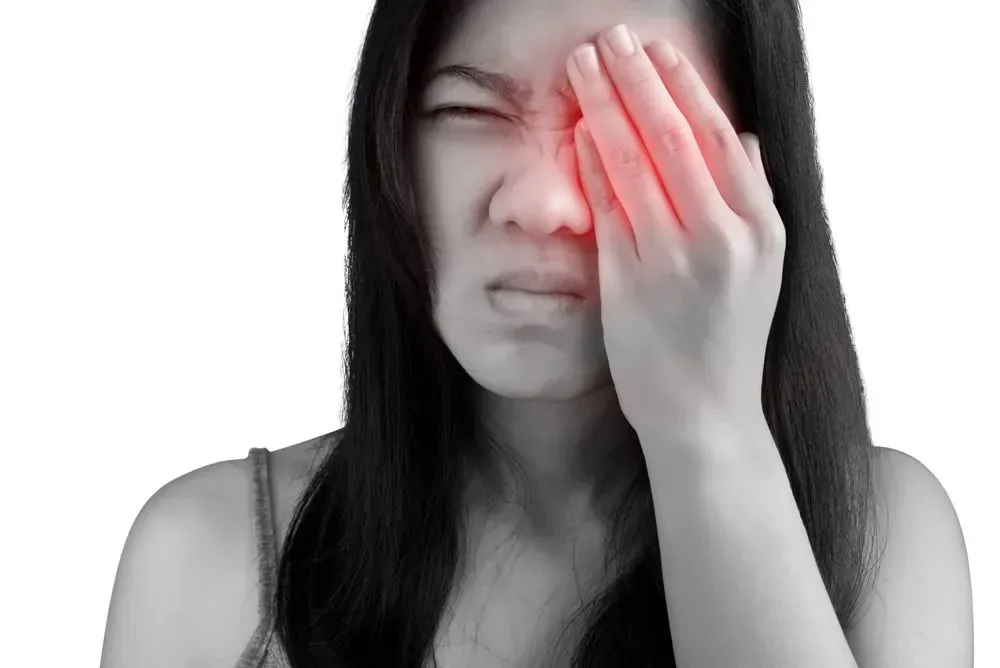
What causes blepharitis
Blepharitis has several possible triggers, and treating the right one is what makes it settle:
- Bacteria along the lash line, sometimes called staph blepharitis
- Demodex mites multiplying in the lash follicles
- Seborrheic dermatitis, the condition behind dandruff
- Rosacea
- Allergies
- Blocked or poorly working oil glands
Symptoms
You may notice:
- Red, swollen or itchy eyelids
- Crusts or flakes at the base of the lashes
- Burning, stinging or a gritty feeling
- Watery eyes or foamy, bubbly tears
- Greasy-looking lids
- Sensitivity to light and blurry or fluctuating vision
- Contact lenses that become hard to tolerate
Why it matters
Untreated blepharitis can lead to styes, chalazia, persistent redness and dry eye, as flakes and oil disrupt the tear film. In rarer cases it can cause lashes to grow in the wrong direction or fall out, or irritate the cornea.
How we treat it
We start by finding the cause, then combine in-office cleaning with a simple home routine. Depending on what we see, that can include prescription drops or ointment, targeted lid scrubs and warm compresses, alongside the in-office treatments below.

Medically reviewed by Dr. Inna Lazar, ODFounder of PRO EYECARE and national dry eye educator. Page updated October 2026. About Dr. Lazar →
Treatments for blepharitis
BlephEx
A precise, in-office cleaning of the lash line that removes the bacteria, scurf and debris behind blepharitis.
About BlephEx → Eyelid cleansingZEST
A gentle in-office treatment that dissolves the biofilm, debris and Demodex mites that collect around the lashes.
About ZEST → Intense pulsed lightOptiLIGHT
Intense pulsed light that calms the inflammation behind meibomian gland dysfunction, the most common driver of dry eye.
About OptiLIGHT → PhotobiomodulationLow-level light therapy
Gentle red and near-infrared LED light that reduces inflammation and supports healing around the eyelids.
About Low-level light therapy →Common questions
Is blepharitis contagious?
No. It is an inflammatory condition of your own eyelids, not an infection you can pass on.
Will blepharitis go away on its own?
It tends to come and go, but it rarely resolves without treating the cause. Regular in-office cleaning and a good home routine keep it under control.
Are Demodex mites a sign of poor hygiene?
No. Everyone has them. Problems start only when they multiply, and that is very treatable.
Keep reading.
Book your dry eye evaluation.
Request a visit online or call either office. We will find a time that suits you and explain exactly what your evaluation involves.